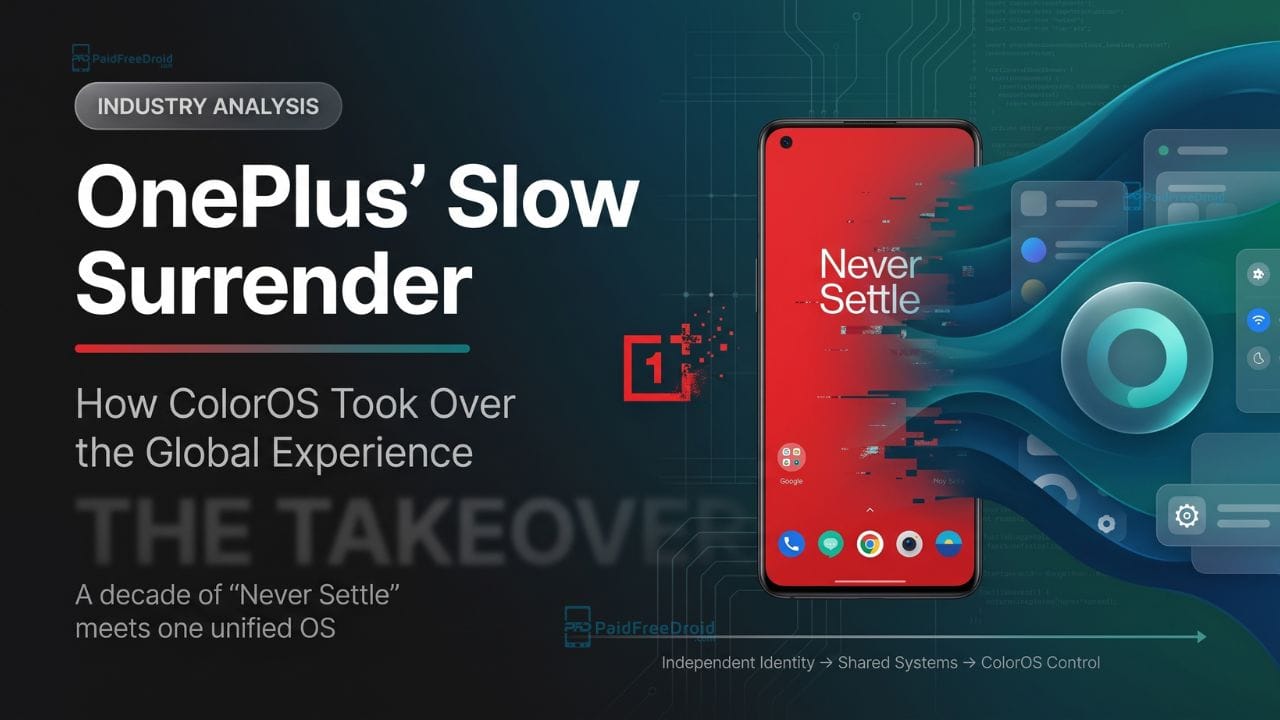
Back in 2013, OnePlus burst onto the mobile scene with a rebellious proposition: an independent “flagship killer” running a clean, near-stock Android skin called OxygenOS. Driven by an invite-only hype engine, a tight-knit enthusiast community, and an aggressive “Never Settle” slogan, the brand built a fiercely loyal following. Thirteen years later, that identity has completely evaporated.
In July 2026, two massive developments confirmed what longtime fans had feared for half a decade: OnePlus official European storefronts began explicitly instructing visitors to purchase OPPO devices instead, and a fresh Smartprix report exposed a sweeping corporate consolidation. According to industry leaks, BBK Electronics is permanently retiring OxygenOS globally, forcing all future OnePlus smartphones to run OPPO’s ColorOS right out of the box.
How did the darling of Android enthusiasts transform into a hollowed-out corporate sub-brand? The timeline below tracks the slow, systematic destruction of the OnePlus identity.
Anatomy of a Collapse: 2013 to 2026
The erosion of OnePlus did not happen overnight. It was executed through a prolonged sequence of compromises, executive departures, code mergers, and hardware shortcuts.
| Year / Period | Milestone in the OnePlus Decline |
| 2013 | Peak Identity: OnePlus launches with its “flagship killer” identity, near-stock OxygenOS, community-first focus, and “Never Settle” attitude. |
| October 2020 | Visionary Exits: Co-founder Carl Pei resigns to start Nothing, removing the primary voice protecting the brand’s independent, enthusiast-driven ethos. |
| June 2021 | Shared Operations: OnePlus announces deeper operational integration with parent conglomerate OPPO; Pete Lau takes over joint product strategy and shared R&D. |
| July 2021 | Codebase Merger: OnePlus officially merges the underlying codebase of OxygenOS with OPPO’s ColorOS to cut engineering overhead. |
| Late 2021 | First Hybrid Device: The OnePlus Nord 2 launches as the first phone running the unified codebase, showing heavy ColorOS animations and interface quirks. |
| 2021–2025 | Hardware Clone Era: Hardware components, charging adapters, display choices, and physical design language progressively become carbon copies of OPPO models. |
| 2022 Onwards | Price Creep: The brand quietly abandons its aggressive “flagship killer” pricing tiers, pushing device costs directly into high-end Apple and Samsung territory. |
| 2022–2024 | Software Dilution: Successive updates (OxygenOS 12, 13, 14, and 15) degenerate into thinly veiled forks of ColorOS, ignoring widespread user backlash. |
| 2023–2025 | Reputation Damage: The brand faces intense criticism over aggressive performance throttling, regional hardware downgrades (such as the OnePlus 12R UFS storage scandal), poor quality control on the OnePlus Open, and widespread green-line display failures on Samsung-sourced AMOLED panels. |
| 2025–Early 2026 | Spec Stagnation: Newer flagship releases mask hardware shortcuts and spec sheet plateaus by leaning heavily on software jargon and “computational photography” claims. |
| Early 2026 | Retail Retreat: Supply chain reports and retail leaks indicate OnePlus is preparing to shut down operations across key Western markets. |
| July 2026 | European Hand-Off: Official OnePlus storefronts in Germany, Spain, and France post banners directing customers to abandon OnePlus and buy OPPO hardware. |
| July 2026 | Death of OxygenOS: Smartprix reports that BBK Electronics is executing a global software consolidation that permanently kills OxygenOS, transitioning all future OnePlus hardware to standard ColorOS. |
Hardware and Software Dilution
For years, OnePlus leadership insisted that sharing R&D resources with OPPO would simply make their phones faster and more refined. In practice, it systematically stripped away every unique selling point the brand possessed. When Pete Lau unified the software departments in 2021, the company claimed the user-facing interface would remain distinct. Instead, OxygenOS 12 arrived as an unpolished, buggy port of ColorOS that alienated core users. By the time OxygenOS 15 🏆 rolled out, the “fast and clean” software experience had been completely replaced by heavy background services, aggressive battery management, and cloned system aesthetics.
At the same time, the hardware suffered from corporate neglect and cost-cutting. The company faced severe backlash after marketing the OnePlus 12R with UFS 4.0 storage globally, only for buyers to discover the phone actually shipped with older, slower UFS 3.1 memory chips. Build quality issues plagued the OnePlus Open foldable, while thousands of users across Asia and Europe watched their expensive flagships ruin themselves with permanent green display lines – a hardware defect the company struggled to manage cleanly. As pricing climbed higher each year, buyers realized they were paying flagship rates for rebranded OPPO phones loaded with software compromises.
2026 Endgame: Pointing Users to OPPO
The corporate curtain dropped completely in July 2026. Visitors logging onto the official OnePlus web stores in Germany, Spain, and France were greeted by prominent banners advising them to stop looking for OnePlus gear. The text explicitly pointed shoppers toward OPPO accessories and smartphones, promising they would find the “speed you need and the experience you trust” under the parent brand’s banner.
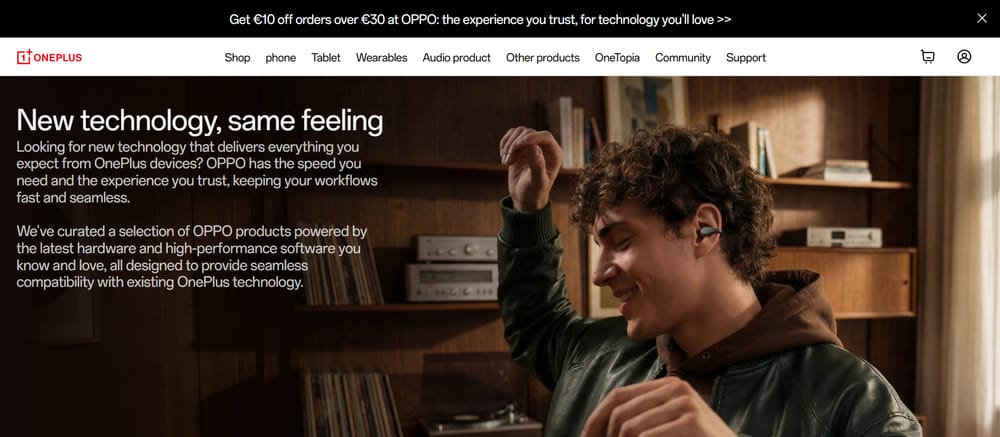
Simultaneously, stock levels across the UK and North America dried up, leaving flagship listings out of stock for weeks. To finalize the consolidation, Smartprix published leaked internal directives confirming that parent conglomerate BBK Electronics is shutting down the independent development of both OxygenOS and Realme UI globally. Moving forward, any device bearing the OnePlus logo will run standard ColorOS globally, destroying the final shred of independent identity that survived Carl Pei’s exit.
PFD Verdict
OnePlus did not fail because it ran out of money; it died because its parent company systematically dismantled its soul to save on software engineering and marketing overhead. When a brand spends thirteen years trading its “Never Settle” ethos for corporate efficiency, it eventually runs out of loyal fans. If you are holding an older OnePlus device, ride it out until the hardware expires. But do not hold your breath for a return to form – the original OnePlus is officially gone.
Tags: OnePlus dropping OxygenOS, OnePlus ColorOS global, BBK consolidation 2026, OnePlus OPPO merger, death of OnePlus, smartphone industry news
Stay Ahead in the Tech World
Join our community for breaking news, exclusive gadgets coverage & direct admin support.