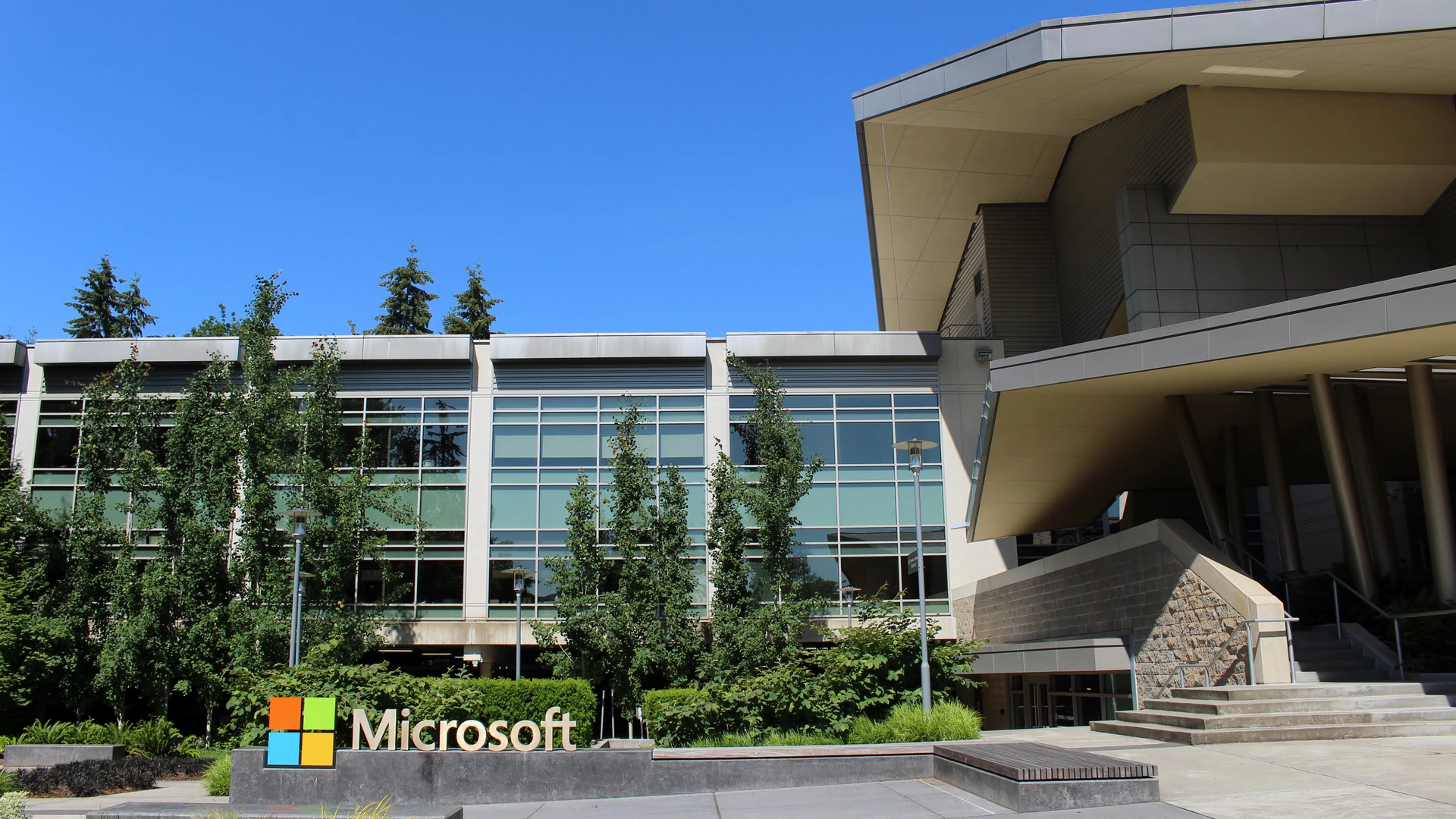
Microsoft executive leadership has declared an emergency company-wide “Code Red” mobilization across its core cloud engineering divisions, making system reliability and infrastructure resilience the highest operational priority in the enterprise software titan’s history. Leaked internal executive communications reviewed by Reuters reveal that the extraordinary directive was triggered by the catastrophic 24-hour global disruption on November 12 and 13 that paralyzed Microsoft 365, Exchange Online, Microsoft Teams, and Copilot AI services for millions of business users, airlines, financial networks, and healthcare facilities worldwide. To permanently prevent similar collapses, Microsoft has established a radical mandate requiring all future major cloud incidents to be completely resolved within one hour, while deploying autonomous artificial intelligence agents to navigate chaotic crisis telemetry.
| Emergency Directive Parameter | Official Internal Finding | Strategic Remediation & Mandate |
|---|---|---|
| Directive Status | Internal “Code Red” Mobilization | M365 Core and Work IQ reliability designated top corporate priority |
| Triggering Catalyst | November 12-13 24-Hour Outage | Worst customer-impacting event in Exchange Online operational history |
| Identified Root Cause | Windows Latent Defect (July Build) | Absorbed 10 years of acceptable failures before peak load collapse |
| Crisis Communication Friction | 11,000+ Teams messages across 11 chats | Fragmented diagnostics created operational “fog of war” for engineers |
| New Recovery Mandate | Strict 1-Hour Resolution Window | Aggressive automated load shedding and geographic traffic isolation |
| AI Automation Overhaul | Autonomous Telemetry Diagnostics | Deploying internal AI agents to parse system health in real time |
Inside the Leaked Memos: Navigating the Crisis Response and Systemic Strain
Internal communications authored by senior Redmond leadership depict a harrowing struggle to diagnose cascading failures during the height of the mid-November breakdown. In an internal debrief sent to engineering staff, Amanda Silver, Corporate Vice President overseeing Microsoft 365 Core and Work IQ, candidly acknowledged that crisis responders had to battle an internal “fog of war” caused by decentralized monitoring infrastructure and disjointed diagnostic dashboards.
According to Silver’s memo, top site reliability engineers and principal software architects were forced to exchange more than 11,000 urgent messages across 11 separate Microsoft Teams conference chats simply to piece together real-time server health data and validate competing hypotheses. The lack of a unified diagnostic pane severely delayed root-cause identification while flight dispatchers, hospital admission desks, and stock trading operations sat stranded without mission-critical communications, as detailed in our earlier investigative coverage of the Microsoft global service disruption and flight groundings report.
“Never before had so many customers been without email for so long,” wrote Jason Henderson, President of Microsoft 365 Core, in a concurrent memo to the division. Henderson emphasized that the Code Red designation elevates infrastructure fortresses above all feature rollouts, adding that remediating foundational reliability vulnerabilities now represents the singular highest priority for the company’s engineering leadership.
Anatomy of the Failure: Latent Windows Defect and Compound Operational Stress
Contrary to widespread initial speculation on social platforms regarding foreign state-sponsored cyber sabotage or rogue autonomous AI agents, Microsoft’s post-incident forensic investigation confirmed that the failure was entirely architectural. Investigators pinpointed the breakdown to an undetected latent defect in core Windows scalability code that had been quietly introduced into production builds in July 2026.
During a high-level technical post-mortem, Microsoft Executive Vice President Charles Lamanna revealed that the defective code routine was so resilient under standard enterprise conditions that it had absorbed “roughly ten years’ worth of acceptable failures” without triggering alarm thresholds. However, on the morning of November 12, a catastrophic convergence of three independent operational factors triggered the latent bug:
- Scheduled Server Maintenance: Routine data center hardware maintenance cycles had temporarily dialed down operational gateway headroom across primary North American cloud clusters.
- Peak Morning Demand Surge: The sudden influx of business logins at 9:00 AM Eastern Time saturated remaining network ingress points beyond historical peak projections.
- Cascading Gateway Failover: When front-end routing failed, automated load balancers abruptly redirected heavy Microsoft Teams traffic onto Exchange Online gateway pipelines, triggering recursive crash loops that exhausted server memory buffers.
The resulting domino effect rapidly overwhelmed secondary failover clusters across Europe and the Asia-Pacific region, illustrating how tightly coupled hyperscale microservices can propagate systemic failure when underlying OS components break under unexpected traffic vectors, an architectural challenge echoed in our analysis of enterprise AI model scaling and infrastructure clash report.
Strict Remedial Mandates: 1-Hour Resolution Cap and Daily Review Boards
To restore customer trust following a public apology from Chief Executive Officer Satya Nadella, the Code Red initiative enforces strict operational reorganizations across all software development lifecycles. Chief among these reforms is an aggressive internal benchmark requiring engineering teams to identify, isolate, and restore global cloud availability within exactly one hour during any future major incident.
To achieve this target, Microsoft leadership has structured three mandatory architectural workstreams:
- Automated Dynamic Load Shedding: Developing intelligent circuit breakers capable of automatically shedding non-essential background telemetry and consumer traffic within milliseconds of gateway saturation, protecting core email delivery and real-time enterprise collaboration.
- Strict Geographic Partitioning: Re-architecting cloud authentication gateways into decoupled, sovereign blast zones to ensure localized regional glitches can never propagate into global, multi-continent outages.
- Daily Executive Standups & Weekly Governance: Institute daily executive tracking standups and weekly architectural review boards directly reporting to Satya Nadella, monitoring every patch deployment and code commit touching core messaging backbones.
Deploying AI Agents to Dispel the Fog of War
Perhaps the most transformative component of the Code Red roadmap is Microsoft’s commitment to embed specialized artificial intelligence agents directly into its site reliability incident management stack. Having experienced firsthand how human cognitive bandwidth bottlenecks during high-stress outages, Redmond intends to deploy autonomous AI telemetry agents trained on petabytes of historical infrastructure logs.
During an active crisis, these specialized diagnostic agents will automatically synthesize alerts from across thousands of disparate monitoring services, eliminate false-positive anomalies, and generate real-time executive summaries with validated mitigation paths. By automating the triage process, Microsoft aims to eliminate the chaotic multi-channel chat sprawl that hobbled incident responders during the November crisis, freeing senior engineers to focus exclusively on executing validated code rollbacks and gateway diversions.
Frequently Asked Questions: Microsoft Code Red Mobilization
What is Microsoft’s “Code Red” cloud reliability directive?
Microsoft’s Code Red is an internal emergency mobilization enacted across its Microsoft 365 Core engineering divisions. The directive designates service reliability and resilience as the company’s absolute highest priority, subordinating new feature development to structural infrastructure hardening.
What caused the 24-hour Microsoft outage on November 12-13?
The outage was caused by an undetected Windows scalability defect introduced in July 2026. The dormant code flaw triggered when routine hardware maintenance reduced server capacity, colliding with peak North American morning demand and an unexpected shift of Teams traffic onto Exchange gateways.
What was revealed in Amanda Silver’s leaked internal memo?
Corporate VP Amanda Silver revealed that incident responders had to battle an internal “fog of war” due to fragmented tracking tools, leading top engineers to exchange over 11,000 messages across 11 separate Teams chats while attempting to diagnose the failure.
What new recovery benchmark has Microsoft established?
Microsoft has mandated an aggressive operational recovery target to completely resolve and restore global cloud availability within one hour during any future major incident, backed by autonomous AI diagnostic agents and automated load shedding.
PFD Context: Fragility of Hyperscale Centralization
The leaked Code Red memos provide an unprecedented glimpse into the fragile operational realities behind modern hyperscale cloud computing. While enterprise software vendors aggressively market 99.99% availability SLAs and AI automation, the reality remains that an undetected latent OS bug combined with fragmented monitoring can bring global commercial aviation and banking to an abrupt halt. As corporate IT buyers review their multi-cloud redundancies in the wake of the crisis, Microsoft’s high-stakes 1-hour resolution mandate will serve as the definitive test of whether hyperscalers can engineer absolute resilience, as noted in recent enterprise cloud security advisory reports.
Stay Ahead in the Tech World
Join our community for breaking news, exclusive gadgets coverage & direct admin support.