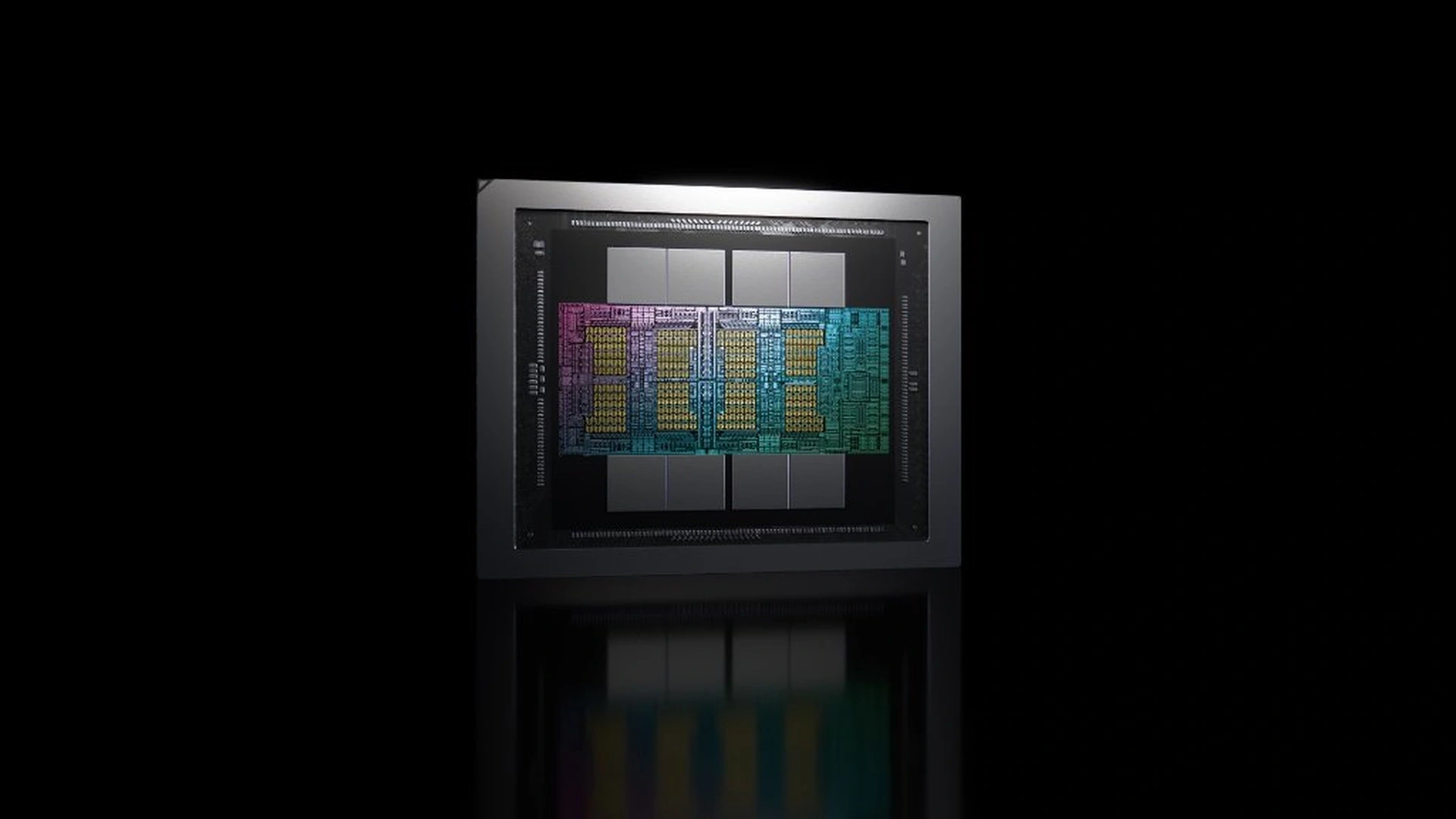
At SC26 (Supercomputing 2026), NVIDIA has unveiled Rubin HPC, a specialized high-performance computing GPU engineered specifically to accelerate scientific discovery, physical simulations, and complex engineering workloads. The announcement marks NVIDIA’s first major architectural milestone following the Jensen Huang resignation and NVIDIA executive leadership transition, which saw veteran Chief Financial Officer Colette Kress take over as Interim CEO on November 12, 2026.
Massive Compute Density Built for Computational Science
While mainstream AI accelerators focus heavily on low-precision matrix multiplication for generative foundation models, Rubin HPC is tailored for the rigorous demands of technical computing. The GPU packs a record-breaking configuration of over 50,000 CUDA cores onto a single multi-die package, providing double-precision floating-point (FP64) throughput for molecular dynamics, astrophysics, weather forecasting, and nuclear physics research.
Key Highlights and Architectural Innovations
- Over 50,000 CUDA Execution Cores: Rubin HPC integrates more than 50,000 full-precision CUDA cores on a unified silicon package, representing the densest arithmetic compute unit in high-performance computing history.
- Dedicated Sparse Data Acceleration: High-performance computing workflows often bottleneck on memory-bound calculations like irregular mesh stencils, graph traversals, and sparse matrix operations. Rubin HPC debuts specialized sparse data engines that keep execution pipelines fed without idling cores.
- Seventh-Generation NVLink Interconnects: The GPU leverages NVIDIA’s 7th-generation NVLink fabric, delivering multi-terabyte bi-directional bandwidth to interconnect massive clusters across multi-node rack architectures.
- High-Bandwidth Memory (HBM4) Integration: Multi-die CoWoS advanced packaging integrates next-generation HBM4 stacks directly adjacent to the compute tiles, ensuring data throughput keeps pace with the 50,000 core matrix.
- 2028 Commercial Deployment Target: NVIDIA has confirmed that Rubin HPC will not enter production immediately, scheduling first commercial system deployments for research supercomputing centers in 2028.
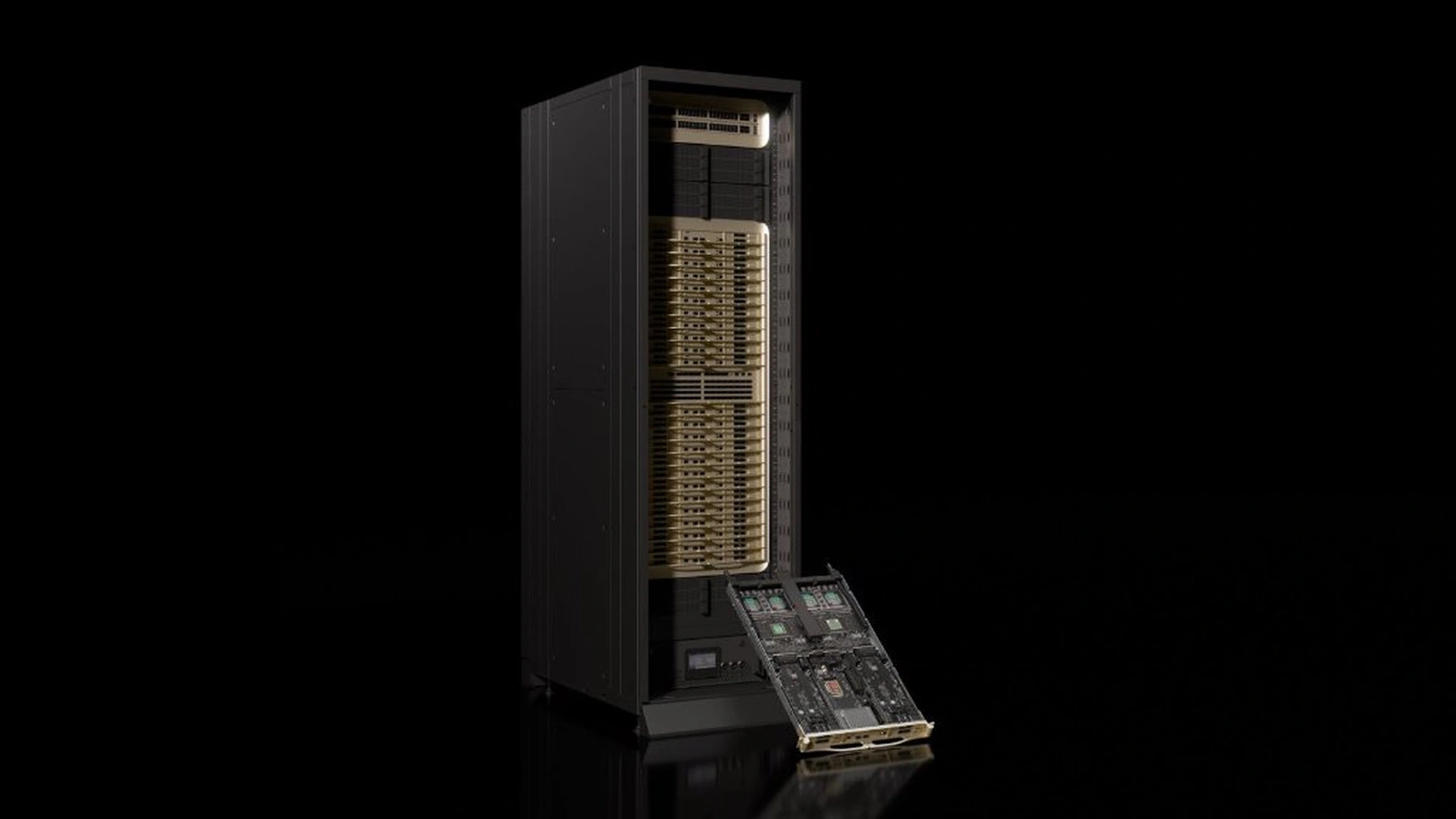
NVIDIA Rubin HPC: Architecture and Preliminary Specifications
| Architectural Metric | NVIDIA Rubin HPC (Official Specification) |
|---|---|
| Silicon Architecture | NVIDIA Vera Rubin (HPC Dedicated Platform) |
| CUDA Core Count | Over 50,000 CUDA cores |
| Primary Workload Focus | Scientific simulation, computational fluid dynamics (CFD), climate modeling, genomics, material science |
| Specialized Acceleration | Hardware Sparse Data Acceleration (Irregular Stencils, Reductions, Sparse-Matrix Solvers) |
| Memory Standard | High-Bandwidth Memory (HBM4) with multi-terabyte/s bandwidth |
| Interconnect Fabric | 7th-Generation NVIDIA NVLink |
| Supercomputing Form Factor | NVIDIA Rubin NVL multi-tray liquid-cooled rack infrastructure |
| Commercial Availability | 2028 Deployment Window |
Deployment Timeline and Cloud Infrastructure Context
Unlike off-the-shelf consumer graphics cards, Rubin HPC is designed strictly for national research laboratories, supercomputing consortia, and enterprise simulation clouds. NVIDIA has scheduled general availability for 2028, positioning the chip to succeed the Blackwell Ultra generation as competition accelerates across enterprise accelerator silicon and cloud TPU infrastructure.
PFD Context
NVIDIA’s deliberate segmentation of Rubin into a dedicated HPC silicon variant reflects an essential industry reality: generative AI and classical scientific computing require fundamentally divergent architectures. While large language models run efficiently on low-precision FP4 and FP8 matrix math, physical engineering simulations demand strict IEEE FP64 double-precision and struggle with memory latency during sparse data calculations. By dedicating 50,000 CUDA cores and sparse data engines specifically to simulation, NVIDIA is guarding its supercomputing dominance against specialized ASICs amid ongoing evolutions in global semiconductor fabrication and advanced packaging architecture.
Stay Ahead in the Tech World
Join our community for breaking news, exclusive gadgets coverage & direct admin support.