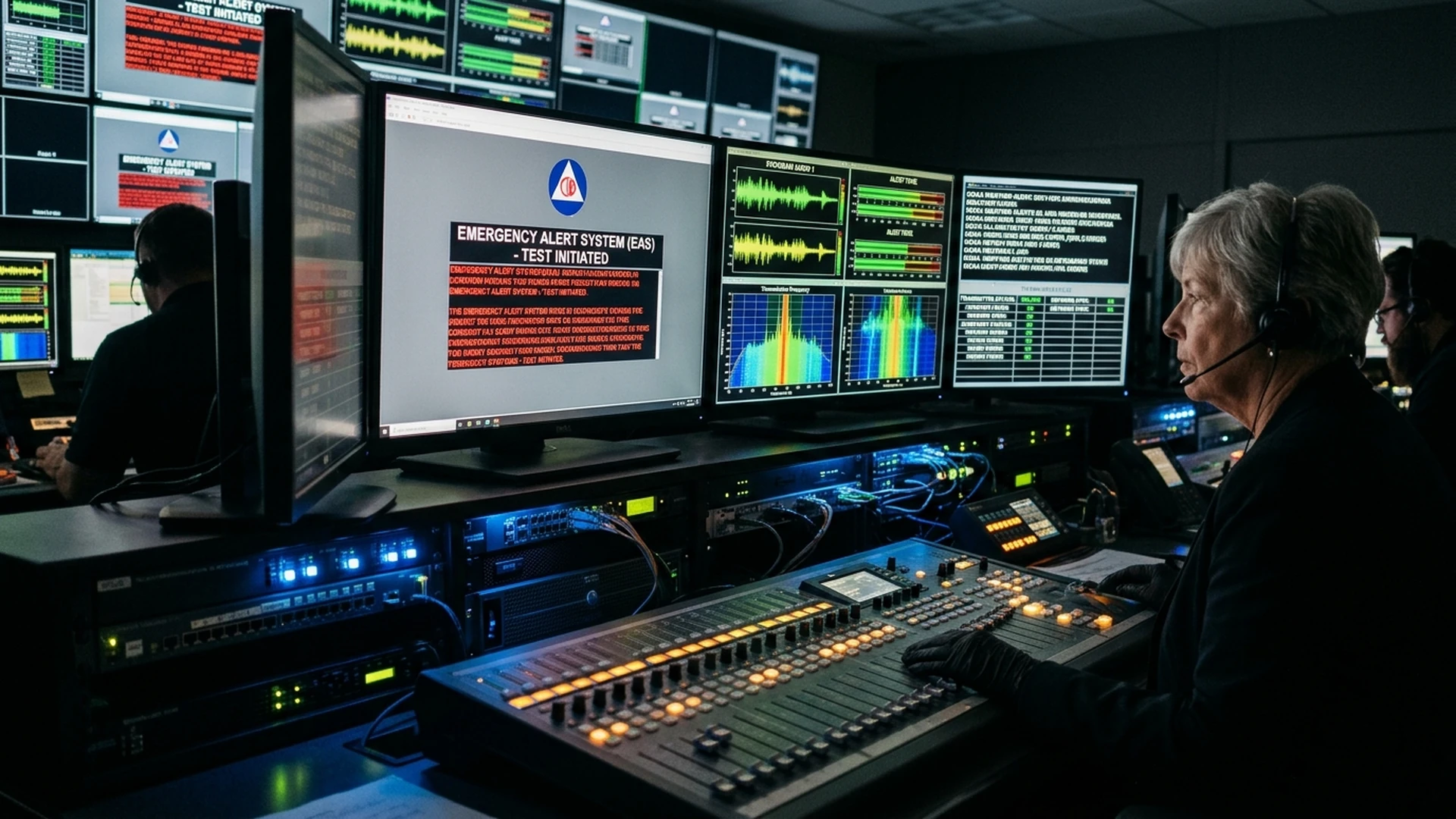
Millions of Americans experienced sudden broadcast interruptions on Tuesday, November 17, 2026, when television screens and radio stations blared emergency alert tones at exactly 2:20 p.m. Eastern Time. Within minutes of the broadcast check, leaked reports revealed that the National Security Agency had placed its Fort Meade headquarters on a “code yellow” operational posture following a major disruption to NSANet, its highly classified internal network. The simultaneous convergence of a federal emergency drill, an intelligence agency network failure, and unrelated cloud outages sparked explosive online rumors of foreign cyber warfare and nationwide grid collapse.
Key Highlights of the November 17 Emergency Alert and NSA Disruption
- Routine Statutory FEMA Broadcast Test: The Federal Emergency Management Agency and the FCC conducted a scheduled, one-minute nationwide test of the legacy Emergency Alert System across television and radio networks at 2:20 p.m. ET.
- Cell Phones Kept Silent: Unlike the 2023 nationwide test, federal authorities deliberately omitted the cellular Wireless Emergency Alerts channel, causing confusion among viewers who expected mobile notifications.
- Classified NSANet Disruption: Fort Meade experienced internal routing table failures during scheduled routine maintenance and software patching, forcing non-essential staff to stagger reporting hours.
- No Hostile Cyber Intrusion: Intelligence community officials confirmed that mission-critical signals intelligence systems maintained operational uptime via air-gapped backups, with zero evidence of data breaches or external sabotage.
- Social Media Panic Triggered by Outage Cluster: The overlap between the broadcast drill, the NSA internal hiccup, and the active OPTIMJACK supply-chain attack fueled viral claims of an impending power blackout.
Incident Anatomy: Broadcast Drill vs Classified Intranet Glitch
To separate verified technical facts from online speculation, the following matrix contrasts the statutory broadcast test with the internal maintenance disruption at Fort Meade:
| Operational Dimension | FEMA EAS Broadcast Drill | NSA Fort Meade Disruption |
|---|---|---|
| Governing Authority | FEMA & Federal Communications Commission (FCC) | National Security Agency & US Cyber Command |
| Primary Infrastructure | Broadcast TV transmitters, terrestrial radio, cable headends | Classified internal defense intranet (NSANet) |
| Consumer Mobile Impact | None (Cellular WEA deliberately excluded from test) | None (Physical air-gapped military networks only) |
| Root Cause | Mandated statutory test required at least once every 3 years | Software patch deployment and internal route table misconfiguration |
| Threat Vector / Breach | None (Regulatory broadcast compliance check) | Zero hostile intrusion; core SIGINT collection remained active |
| Public Manifestation | One-minute tone and scrolling test crawl on TVs and radios | Internal “code yellow” and staggered employee arrivals at Fort Meade |
Inside the 2:20 PM FEMA Alert: Why Phones Stayed Silent
The broadcast alert that appeared at 2:20 p.m. ET was part of a triennial national readiness assessment mandated by the Federal Communications Commission under the Public Alert and Warning System Modernization Act. Broadcast networks, satellite television feeds, and local radio stations automatically broadcasted the familiar two-tone attention signal followed by an automated test announcement: “This is a nationwide test of the Emergency Alert System, issued by the Federal Emergency Management Agency, covering the United States.”
The primary source of public bewilderment stemmed from mobile silence. When FEMA conducted its high-profile national drill on October 4, 2023, both the Emergency Alert System and the cellular Wireless Emergency Alerts (WEA) system were triggered simultaneously, causing tens of millions of smartphones across the country to sound high-pitched warnings.
For the November 17, 2026 drill, FEMA and the FCC focused exclusively on the legacy broadcast transmission chain. By evaluating radio and television relays without firing cellular towers, federal engineers aimed to test daisy-chain repeaters across regional radio stations without causing public panic or disrupting commercial cellular networks. However, because millions of modern consumers receive real-time news exclusively via smartphones, the sight of television alert banners without accompanying mobile buzzes prompted many to suspect that cell towers or municipal infrastructure had suffered an unannounced blackout.
Fort Meade Routing Failure: Inside the NSANet Maintenance Outage
As broadcast monitors flashed emergency test notices across the eastern seaboard, internal communications at the National Security Agency’s Fort Meade headquarters hit an unexpected snag. Technicians conducting scheduled software upgrades and cryptographic key rotation encountered an internal routing loop that degraded connectivity across NSANet, the agency’s primary classified enterprise backbone.
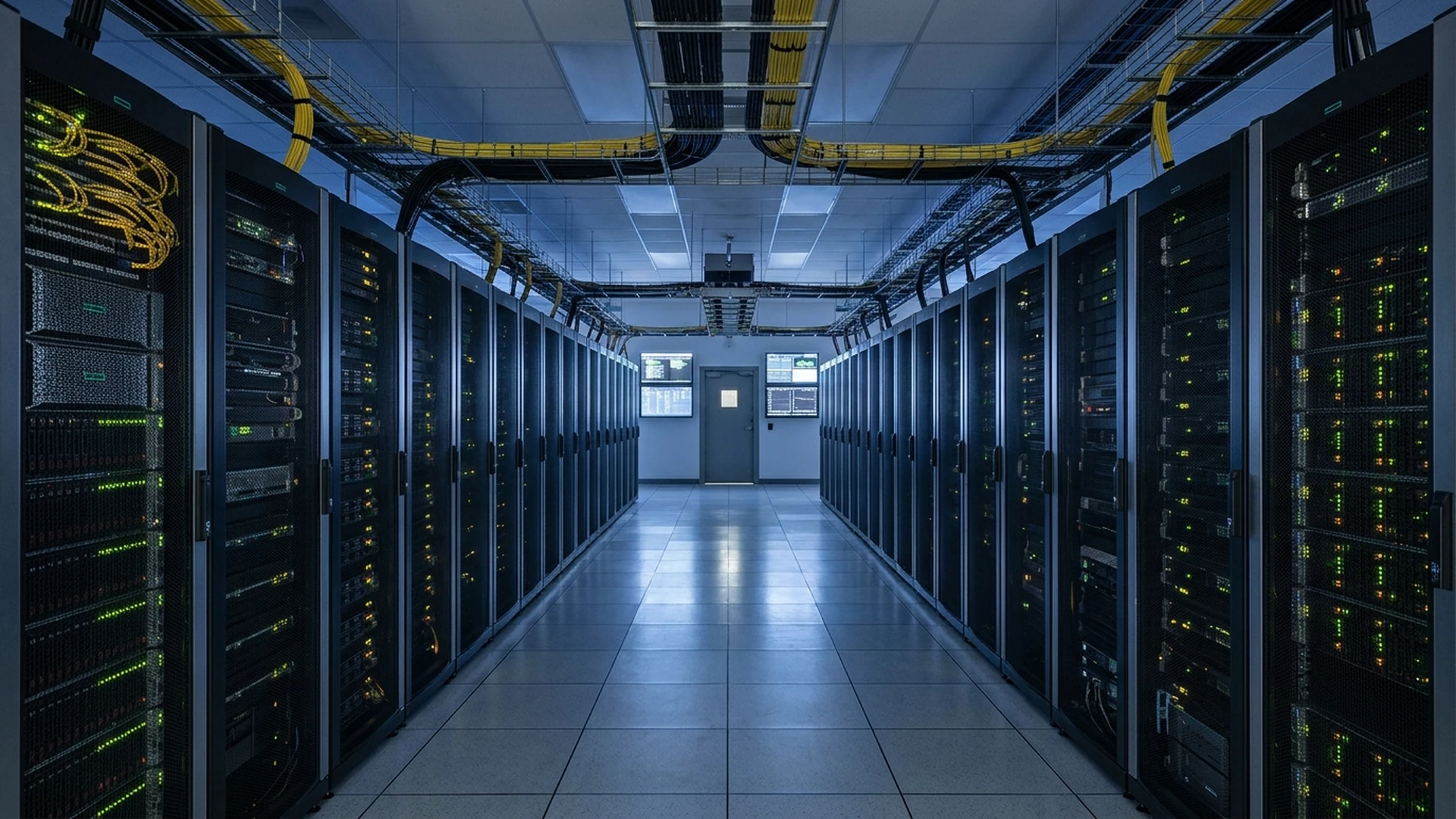
The technical hiccup led agency administrators to declare an internal “code yellow.” To prevent parking gridlock and avoid overwhelming internal IT support desks during remediation, watch commanders issued instructions for non-emergency personnel to stagger their reporting shifts. Despite the operational inconvenience inside agency office suites, intelligence officials confirmed that the NSA’s real-time interception apparatus, satellite downlinks, and counter-cyber operations continued without interruption on isolated failsafe networks.
Crucially, forensic teams found no signs of state-sponsored malware or unauthorized data exfiltration. The failure mechanism was purely architectural, echoing the administrative network congestion observed during the FAA nationwide flight ground stop caused by legacy router overload, where internal system upgrades destabilized peripheral gateways rather than critical operational cores.
How Isolated Tech Glitches Sparked Viral Grid Blackout Rumors
In a normal news cycle, a one-minute broadcast drill and an internal government IT ticket would remain routine occurrences. But on November 17, the two events collided with a nervous digital ecosystem already reeling from real infrastructure vulnerabilities.
Only hours earlier, cybersecurity researchers disclosed the massive OPTIMJACK supply-chain attack that injected malicious JavaScript across 178 enterprise websites, including news outlets like CNN, BBC, and Fox News, alongside platforms like Salesforce and Zoom. With consumers already reading headlines about compromised web platforms and stolen credentials, the sudden appearance of Emergency Alert banners created prime conditions for alarm.
Within thirty minutes of the 2:20 p.m. alert, viral accounts across X, TikTok, and Telegram began connecting unrelated data points into sensational narratives. Unsubstantiated claims cited a “90-day nationwide blackout,” referencing viral memes about a purported animated comedy episode prediction. The panic gained further traction when users cited regional United Airlines departure pauses and local bank app slowdowns as evidence of an orchestrated assault on American infrastructure. In reality, telecom audit logs confirm that municipal power grids, cellular backbones, and internet exchange points operated at normal load factors throughout the day.
PFD Context: Critical Infrastructure Fragility in an Anxious Era
The viral reaction to the November 17 alerts highlights a growing societal vulnerability: public distrust driven by infrastructure opacity. As enterprise systems become deeply interconnected, consumers struggle to differentiate between scheduled public safety exercises, internal administrative maintenance, and genuine hostile cyberattacks.
This ambiguity is amplified during high-stress weeks marked by recurring corporate service disruptions, mirroring the public panic surrounding recent widespread US banking app outages that briefly locked millions of account holders out of digital funds. While FEMA successfully validated its radio and television relays and the NSA restored NSANet routing within hours, the episode serves as an instructive case study in risk communication. In an era where deepfakes, supply-chain exploits, and geopolitical tensions dominate headlines, federal authorities must modernize public notification protocols so routine readiness drills do not inadvertently trigger digital stampedes.
Stay Ahead in the Tech World
Join our community for breaking news, exclusive gadgets coverage & direct admin support.