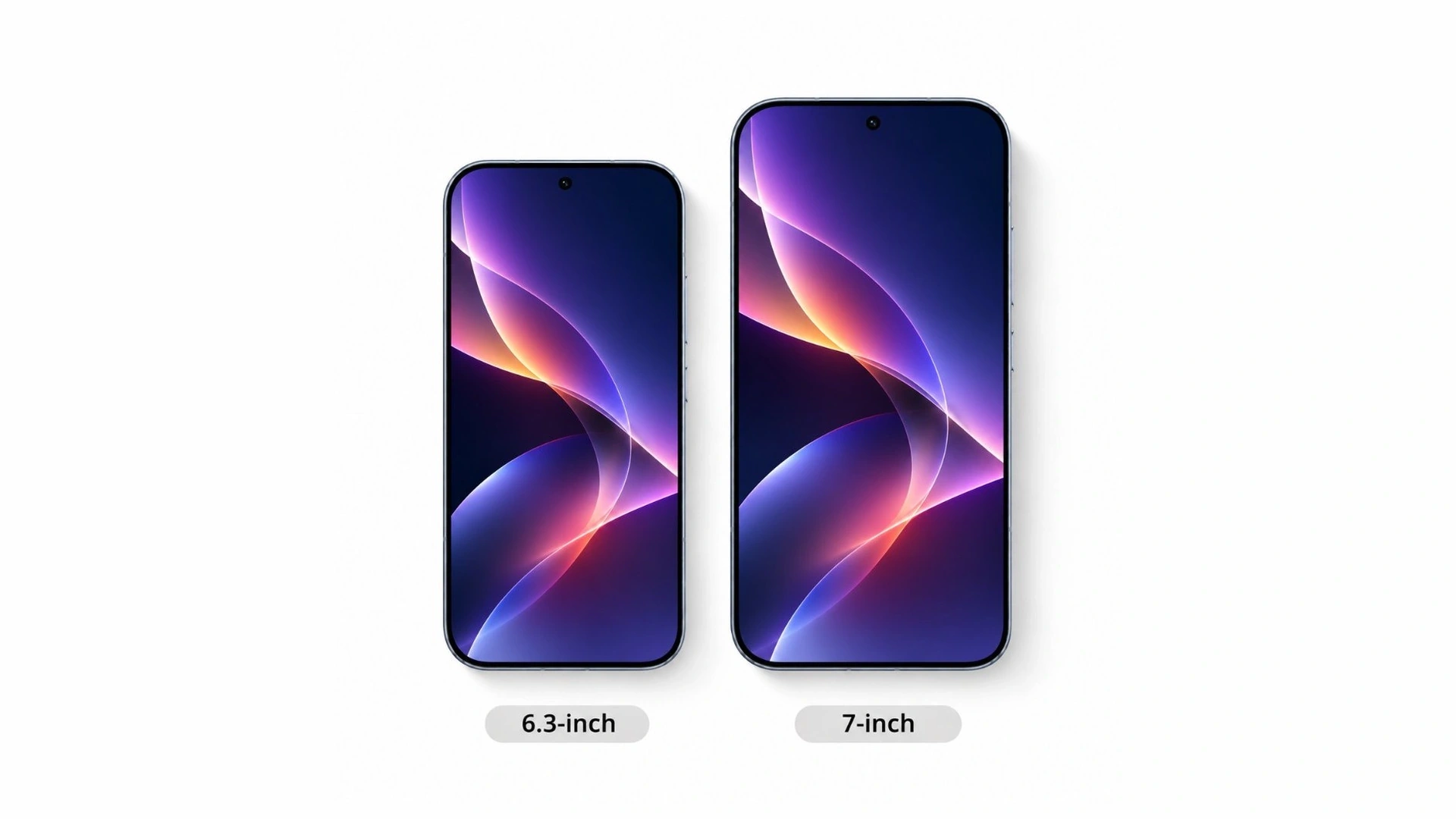
Xiaomi sub-brand Redmi is actively engineering a new compact smartphone featuring a 6.3-inch display, according to recent supply chain reports from Chinese tipsters. The exploratory project aims to bring ergonomic, one-handed flagship ergonomics into Redmi’s mainstream portfolio, breaking away from the brand’s standard reliance on 6.67-inch to 6.78-inch form factors while testing a parallel 7-inch device equipped with an extreme 10,000mAh-class battery.
Ergonomic Form Factor Meets Quad-Curved LIPO Architecture
The upcoming 6.3-inch device is reportedly being designed around an advanced 1.5K resolution LTPO OLED panel capable of dynamic 1Hz to 120Hz refresh rate scaling. To maximize screen-to-body efficiency in a pocket-friendly footprint, Redmi is leveraging Low-Injection Pressure Overmolding (LIPO) technology paired with a micro quad-curved glass finish. This engineering process reduces perimeter bezel borders to near-symmetrical margins, mirroring manufacturing standards introduced on premium flagships like the Xiaomi 15 🏆 and Xiaomi 17 series.
Key Highlights of Redmi’s Compact and Large-Screen Strategy
- 6.3-Inch 1.5K LTPO Display: The compact model integrates a 6.3-inch flat to micro-quad-curved OLED panel with 1.5K sharpness and LTPO adaptive refresh rates for optimized power efficiency.
- LIPO Quad-Curved Border Design: Advanced packaging shrinks black bezel borders across all four sides, delivering uniform, edge-to-edge visuals in an ergonomic chassis designed for one-handed operation.
- Parallel 7-Inch Giant Under Exploration: Alongside the compact device, Redmi is evaluating a super-sized 7-inch smartphone engineered specifically around a massive 10,000mAh-class silicon-carbon battery pack.
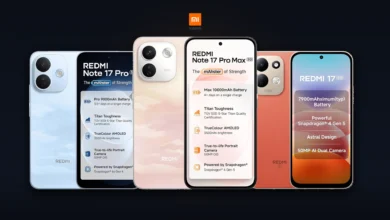
- Diversifying Beyond Standard Lineups: The initiative broadens Redmi’s hardware variety beyond its traditional Redmi Note 17 and A7 series smartphone lineup in India, catering directly to user demand for both pocketable and ultra-endurance hardware.
Redmi Compact and Mega-Screen Smartphones: Leaked Specifications
| Feature | Redmi 6.3-Inch Compact (Rumored) | Redmi 7-Inch Mega Flagship (Exploratory) |
|---|---|---|
| Display Diagonal | 6.3 inches | 7.0 inches |
| Panel Resolution | 1.5K (approx. 2670 x 1200 pixels) | 2K / 1.5K High-Density OLED |
| Panel Architecture | LTPO OLED (1Hz to 120Hz adaptive) | High-Refresh OLED (120Hz/144Hz) |
| Bezel & Frame Technology | LIPO quad-curved, ultra-narrow symmetrical bezels | Narrow-bezel media frame |
| Primary Ergonomic Focus | Compact, one-handed grip and pocketability | Maximum gaming canvas and media immersion |
| Battery Capacity Target | High-density silicon-carbon cell (approx. 5,500mAh to 6,000mAh) | Extreme 10,000mAh-class silicon-carbon battery |
| Operating System | Xiaomi HyperOS based on Android | Xiaomi HyperOS based on Android |
| Development Status | Early supply-chain testing / Product pipeline planning | Early engineering validation |
Market Segmentation and Xiaomi Portfolio Strategy
The compact Android market has experienced a significant resurgence over the past two hardware generations, led by devices like the Vivo X200 Pro 🏆 mini and Xiaomi’s numbered mainline series. However, sub-6.4-inch options have historically remained confined to expensive premium tiers due to thermal density constraints and high motherboard stacking costs. By bringing a 6.3-inch form factor into the Redmi ecosystem, parent company Xiaomi could lower the barrier to entry for buyers seeking premium ergonomics without flagship pricing, likely powered by future iterations of the Xiaomi HyperOS 4 rollout schedule and eligible devices.
PFD Context
Redmi’s bilateral exploration of both 6.3-inch and 7-inch form factors highlights how rapidly silicon-carbon anode battery technology has reshaped smartphone product design. In earlier generations, a compact 6.3-inch chassis forced severe battery compromises, while a 10,000mAh capacity would have produced an unmanageably thick, heavy brick. Today, energy-dense battery chemistries allow Redmi to equip compact bodies with full-day endurance while exploring true multi-day powerhouses on 7-inch frames, reinforcing Xiaomi’s competitive edge in smartphone operating system rankings and HyperOS software benchmarks.
Stay Ahead in the Tech World
Join our community for breaking news, exclusive gadgets coverage & direct admin support.